
Are you tired of feeling trapped by debt? Paying off your loans quickly can be a huge weight off your shoulders and a significant boost to your financial well-being.
By implementing the right early loan payoff strategies, you can crush your debt in half and achieve financial freedom sooner rather than later.
In this article, we’ll explore the benefits of paying off loans early, the best methods for doing so, and provide actionable tips to help you get started.
Benefits of Paying Off Loans Early
Paying off loans early can have a significant impact on your financial well-being. Not only can it save you money on interest payments, but it can also reduce your debt-to-income ratio and improve your credit score. By paying off loans early, you can also avoid late fees, penalties, and potential collections. Additionally, paying off loans early can give you a sense of financial freedom and reduce financial stress. By eliminating debt, you can redirect your money towards saving, investing, and achieving your long-term financial goals.
Paying off high-interest loans first is a popular debt repayment strategy that can save you money on interest payments. By focusing on high-interest loans, you can eliminate the most expensive debt first and avoid paying interest on existing balances. This strategy is especially effective for individuals with multiple loans with varying interest rates. By prioritizing high-interest loans, you can reduce the amount of interest you pay over time and free up more money in your budget for other expenses.
The Snowball Method vs. The Avalanche Method
Two of the most popular debt repayment strategies are the Snowball Method and the Avalanche Method. The Snowball Method involves paying off debts one by one, starting with the smallest balance first. The Avalanche Method, on the other hand, involves paying off debts with the highest interest rates first. Both methods have their advantages and disadvantages, and the best approach for you will depend on your individual financial situation and goals. By understanding the pros and cons of each method, you can choose the approach that best fits your needs and helps you achieve debt freedom.
Consolidating debt can be an effective way to pay off loans faster and simplify your financial situation. By consolidating debt into a single loan with a lower interest rate and a longer repayment period, you can reduce your monthly payments and free up more money in your budget for other expenses. Additionally, consolidating debt can help you avoid late fees, penalties, and potential collections. However, consolidating debt is not without its drawbacks, and it’s essential to carefully consider the pros and cons before making a decision.
Negotiating with lenders can be an effective way to pay off loans early and save money on interest payments. By negotiating a settlement or a reduced interest rate, you can eliminate debt faster and avoid paying interest on existing balances. However, negotiating with lenders can be a complex and potentially stressful process, and it’s essential to have a clear understanding of your rights and options before making a decision. By working with a professional or doing your research, you can increase your chances of success and achieve debt freedom.
Incorporating small changes into your daily routine can have a significant impact on your ability to pay off loans faster. By making small changes, such as cutting back on unnecessary expenses, increasing your income, or using the 50/30/20 rule, you can redirect more money towards debt repayment and achieve your financial goals. Additionally, incorporating small changes can help you build momentum and stay motivated, making it easier to stick to your debt repayment plan and achieve debt freedom.
Paying Off High-Interest Loans First
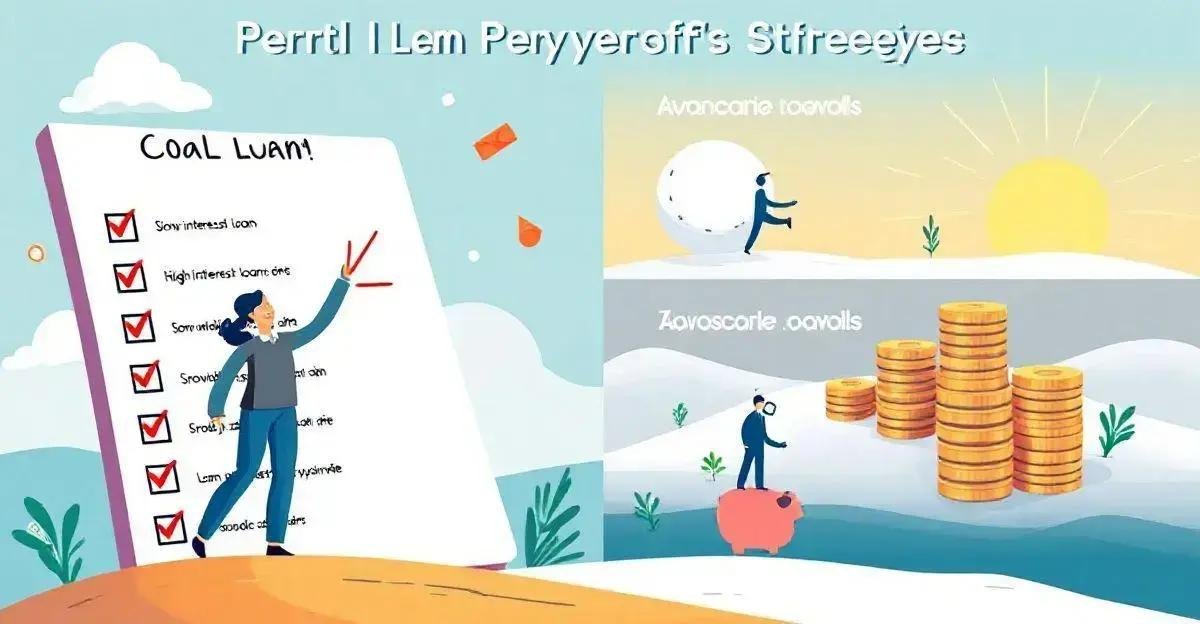
Paying off high-interest loans first can save you thousands of dollars in interest payments over the life of the loan. By prioritizing high-interest loans, you can eliminate the most expensive debt first and avoid paying interest on existing balances. This strategy is especially effective for individuals with multiple loans with varying interest rates. For example, if you have a credit card with an interest rate of 20% and a student loan with an interest rate of 5%, it makes sense to pay off the credit card balance first. By doing so, you can avoid paying $2,000 in interest on the credit card balance over the next year, and redirect that money towards paying off the student loan.
The Snowball Method vs. The Avalanche Method are two popular debt repayment strategies that have gained widespread popularity. The Snowball Method involves paying off debts one by one, starting with the smallest balance first. The Avalanche Method, on the other hand, involves paying off debts with the highest interest rates first. Both methods have their advantages and disadvantages, and the best approach for you will depend on your individual financial situation and goals. For example, if you have multiple debts with varying interest rates, the Avalanche Method may be more effective in saving you money on interest payments over time. However, the Snowball Method can provide a psychological boost by giving you a sense of accomplishment as you pay off each debt.
Consolidating debt can be an effective way to pay off loans faster and simplify your financial situation. By consolidating debt into a single loan with a lower interest rate and a longer repayment period, you can reduce your monthly payments and free up more money in your budget for other expenses. Additionally, consolidating debt can help you avoid late fees, penalties, and potential collections. However, consolidating debt is not without its drawbacks, and it’s essential to carefully consider the pros and cons before making a decision.
Negotiating with lenders can be an effective way to pay off loans early and save money on interest payments. By negotiating a settlement or a reduced interest rate, you can eliminate debt faster and avoid paying interest on existing balances. However, negotiating with lenders can be a complex and potentially stressful process, and it’s essential to have a clear understanding of your rights and options before making a decision. By working with a professional or doing your research, you can increase your chances of success and achieve debt freedom.
Incorporating small changes into your daily routine can have a significant impact on your ability to pay off loans faster. By making small changes, such as cutting back on unnecessary expenses, increasing your income, or using the 50/30/20 rule, you can redirect more money towards debt repayment and achieve your financial goals. Additionally, incorporating small changes can help you build momentum and stay motivated, making it easier to stick to your debt repayment plan and achieve debt freedom.
The Snowball Method vs. The Avalanche Method
The Snowball Method and the Avalanche Method are two popular debt repayment strategies that have gained widespread popularity. The Snowball Method involves paying off debts one by one, starting with the smallest balance first. The Avalanche Method, on the other hand, involves paying off debts with the highest interest rates first. While both methods can be effective, the Snowball Method can provide a psychological boost by giving you a sense of accomplishment as you pay off each debt. The Avalanche Method, on the other hand, can save you money on interest payments over time. Ultimately, the best approach for you will depend on your individual financial situation and goals.
Paying off loans early can have numerous benefits for your financial well-being. Not only can it save you money on interest payments, but it can also reduce your debt-to-income ratio and improve your credit score. By paying off loans early, you can also avoid late fees, penalties, and potential collections. Additionally, paying off loans early can give you a sense of financial freedom and reduce financial stress.
Paying off high-interest loans first can save you thousands of dollars in interest payments over the life of the loan. By prioritizing high-interest loans, you can eliminate the most expensive debt first and avoid paying interest on existing balances. This strategy is especially effective for individuals with multiple loans with varying interest rates.
Consolidating debt can be an effective way to pay off loans faster and simplify your financial situation. By consolidating debt into a single loan with a lower interest rate and a longer repayment period, you can reduce your monthly payments and free up more money in your budget for other expenses. Additionally, consolidating debt can help you avoid late fees, penalties, and potential collections.
Negotiating with lenders can be an effective way to pay off loans early and save money on interest payments. By negotiating a settlement or a reduced interest rate, you can eliminate debt faster and avoid paying interest on existing balances. However, negotiating with lenders can be a complex and potentially stressful process, and it’s essential to have a clear understanding of your rights and options before making a decision.
Incorporating small changes into your daily routine can have a significant impact on your ability to pay off loans faster. By making small changes, such as cutting back on unnecessary expenses, increasing your income, or using the 50/30/20 rule, you can redirect more money towards debt repayment and achieve your financial goals. Additionally, incorporating small changes can help you build momentum and stay motivated, making it easier to stick to your debt repayment plan and achieve debt freedom.
Consolidating Debt to Pay Off Loans Faster
Consolidating debt can be a valuable strategy for paying off loans faster. By consolidating debt into a single loan with a lower interest rate and a longer repayment period, individuals can reduce their monthly payments and free up more money in their budget for other expenses. Additionally, consolidating debt can help individuals avoid late fees, penalties, and potential collections. It’s essential to carefully consider the pros and cons of debt consolidation before making a decision, as it may not be the right choice for everyone.
Benefits of Paying Off Loans Early
Paying off loans early can have numerous benefits for an individual’s financial well-being. Not only can it save them money on interest payments, but it can also reduce their debt-to-income ratio and improve their credit score. By paying off loans early, individuals can also avoid late fees, penalties, and potential collections. Additionally, paying off loans early can give them a sense of financial freedom and reduce financial stress.
Paying Off High-Interest Loans First
Paying off high-interest loans first can save individuals thousands of dollars in interest payments over the life of the loan. By prioritizing high-interest loans, individuals can eliminate the most expensive debt first and avoid paying interest on existing balances. This strategy is especially effective for individuals with multiple loans with varying interest rates.
The Snowball Method vs. The Avalanche Method
The Snowball Method and the Avalanche Method are two popular debt repayment strategies that have gained widespread popularity. The Snowball Method involves paying off debts one by one, starting with the smallest balance first. The Avalanche Method, on the other hand, involves paying off debts with the highest interest rates first. While both methods can be effective, the Snowball Method can provide a psychological boost by giving individuals a sense of accomplishment as they pay off each debt. The Avalanche Method, on the other hand, can save individuals money on interest payments over time.
Negotiating with Lenders to Pay Off Loans Early
Negotiating with lenders can be an effective way to pay off loans early and save money on interest payments. By negotiating a settlement or a reduced interest rate, individuals can eliminate debt faster and avoid paying interest on existing balances. However, negotiating with lenders can be a complex and potentially stressful process, and it’s essential to have a clear understanding of individual rights and options before making a decision.
Incorporating Small Changes to Pay Off Loans Faster
Incorporating small changes into daily routine can have a significant impact on an individual’s ability to pay off loans faster. By making small changes, such as cutting back on unnecessary expenses, increasing income, or using the 50/30/20 rule, individuals can redirect more money towards debt repayment and achieve their financial goals. Additionally, incorporating small changes can help individuals build momentum and stay motivated, making it easier to stick to their debt repayment plan and achieve debt freedom.
Negotiating with Lenders to Pay Off Loans Early
Negotiating with lenders can be a powerful tool to pay off loans early and save money on interest payments. By negotiating a settlement or a reduced interest rate, individuals can eliminate debt faster and avoid paying interest on existing balances. This strategy is especially effective for individuals with multiple loans with varying interest rates. For example, if an individual has a credit card with an interest rate of 20% and a student loan with an interest rate of 5%, negotiating a reduced interest rate on the credit card balance can save them thousands of dollars in interest payments over the life of the loan.
Benefits of paying off loans early can have numerous benefits for an individual’s financial well-being. Not only can it save them money on interest payments, but it can also reduce their debt-to-income ratio and improve their credit score. By paying off loans early, individuals can also avoid late fees, penalties, and potential collections. Additionally, paying off loans early can give them a sense of financial freedom and reduce financial stress.
Paying off high-interest loans first can save individuals thousands of dollars in interest payments over the life of the loan. By prioritizing high-interest loans, individuals can eliminate the most expensive debt first and avoid paying interest on existing balances. This strategy is especially effective for individuals with multiple loans with varying interest rates.
The Snowball Method and the Avalanche Method are two popular debt repayment strategies that have gained widespread popularity. The Snowball Method involves paying off debts one by one, starting with the smallest balance first. The Avalanche Method, on the other hand, involves paying off debts with the highest interest rates first. While both methods can be effective, the Snowball Method can provide a psychological boost by giving individuals a sense of accomplishment as they pay off each debt. The Avalanche Method, on the other hand, can save individuals money on interest payments over time.
Consolidating debt can be a valuable strategy for paying off loans faster. By consolidating debt into a single loan with a lower interest rate and a longer repayment period, individuals can reduce their monthly payments and free up more money in their budget for other expenses. Additionally, consolidating debt can help individuals avoid late fees, penalties, and potential collections. It’s essential to carefully consider the pros and cons of debt consolidation before making a decision, as it may not be the right choice for everyone.
Incorporating small changes into daily routine can have a significant impact on an individual’s ability to pay off loans faster. By making small changes, such as cutting back on unnecessary expenses, increasing income, or using the 50/30/20 rule, individuals can redirect more money towards debt repayment and achieve their financial goals. Additionally, incorporating small changes can help individuals build momentum and stay motivated, making it easier to stick to their debt repayment plan and achieve debt freedom.
Incorporating Small Changes to Pay Off Loans Faster
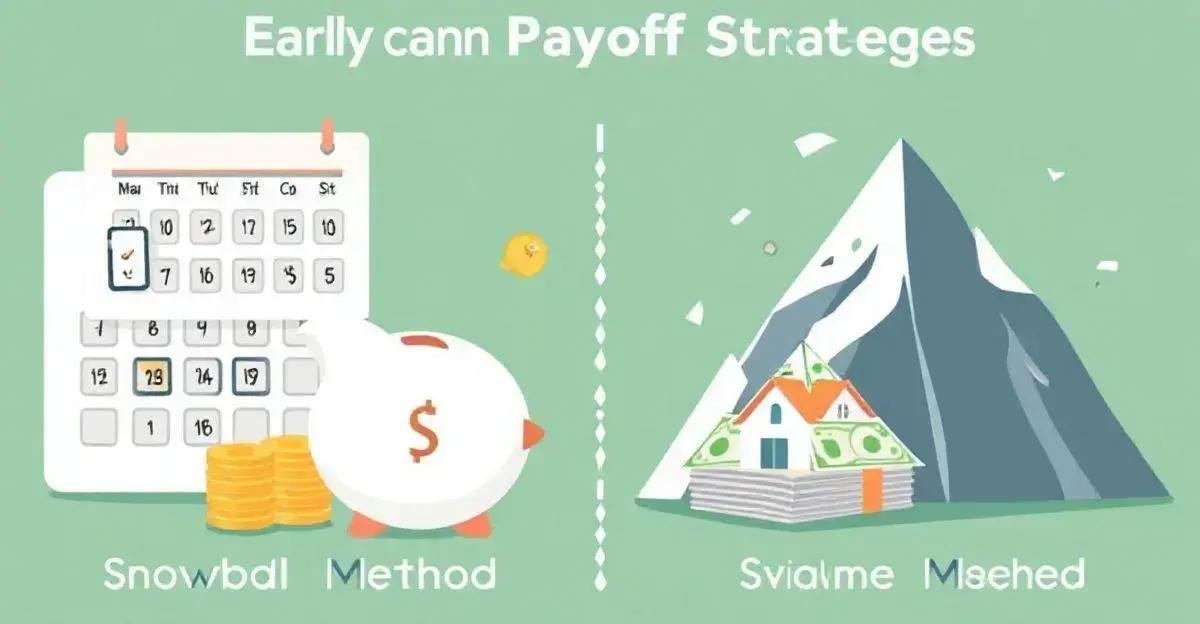
By incorporating small changes into daily routine, individuals can accelerate their debt repayment process and achieve financial freedom faster. Small changes can include cutting back on unnecessary expenses, increasing income, or adjusting spending habits to redirect more money towards debt repayment. For example, individuals can use the 50/30/20 rule to allocate 50% of their income towards necessary expenses, 30% towards discretionary spending, and 20% towards saving and debt repayment.
Additionally, individuals can explore ways to increase their income, such as taking on a part-time job or selling unwanted items online, to put more money towards their debt.
Paying off loans early can have numerous benefits for an individual’s financial well-being. Not only can it save them money on interest payments, but it can also reduce their debt-to-income ratio and improve their credit score. By paying off loans early, individuals can also avoid late fees, penalties, and potential collections. Additionally, paying off loans early can give them a sense of financial freedom and reduce financial stress.
Paying off high-interest loans first can save individuals thousands of dollars in interest payments over the life of the loan. By prioritizing high-interest loans, individuals can eliminate the most expensive debt first and avoid paying interest on existing balances. This strategy is especially effective for individuals with multiple loans with varying interest rates.
The Snowball Method and the Avalanche Method are two popular debt repayment strategies that have gained widespread popularity. The Snowball Method involves paying off debts one by one, starting with the smallest balance first. The Avalanche Method, on the other hand, involves paying off debts with the highest interest rates first. While both methods can be effective, the Snowball Method can provide a psychological boost by giving individuals a sense of accomplishment as they pay off each debt. The Avalanche Method, on the other hand, can save individuals money on interest payments over time.
Consolidating debt can be a valuable strategy for paying off loans faster. By consolidating debt into a single loan with a lower interest rate and a longer repayment period, individuals can reduce their monthly payments and free up more money in their budget for other expenses. Additionally, consolidating debt can help individuals avoid late fees, penalties, and potential collections. It’s essential to carefully consider the pros and cons of debt consolidation before making a decision, as it may not be the right choice for everyone.
Negotiating with lenders can be a powerful tool to pay off loans early and save money on interest payments. By negotiating a settlement or a reduced interest rate, individuals can eliminate debt faster and avoid paying interest on existing balances. This strategy is especially effective for individuals with multiple loans with varying interest rates.
Frequently Asked Questions about Paying Off Loans Early
What are the benefits of paying off loans early?
Paying off loans early can save you money on interest payments, reduce your debt-to-income ratio, and improve your credit score. It can also give you a sense of financial freedom and reduce financial stress.
What is the snowball method and how does it work?
The snowball method involves paying off debts one by one, starting with the smallest balance first. This can provide a psychological boost by giving you a sense of accomplishment as you pay off each debt.
What is the avalanche method and how does it work?
The avalanche method involves paying off debts with the highest interest rates first. This can save you money on interest payments over time and help you pay off your debt faster.
Can I consolidate my debt to pay it off faster?
Yes, debt consolidation can be a valuable strategy for paying off loans faster. By consolidating your debt into a single loan with a lower interest rate and a longer repayment period, you can reduce your monthly payments and free up more money in your budget for other expenses.
How can I negotiate with my lender to pay off my loan early?
You can negotiate with your lender to pay off your loan early by contacting them and asking if they offer any early payoff options. You can also try to negotiate a reduced interest rate or a settlement.
What are some small changes I can make to pay off my loan faster?
There are many small changes you can make to pay off your loan faster, such as cutting back on unnecessary expenses, increasing your income, or adjusting your spending habits. You can also try to pay more than the minimum payment each month to pay off your loan faster.
What is the 50/30/20 rule and how can it help me pay off my loan?
The 50/30/20 rule is a budgeting strategy that involves allocating 50% of your income towards necessary expenses, 30% towards discretionary spending, and 20% towards saving and debt repayment. This can help you prioritize your spending and make progress towards paying off your loan.