
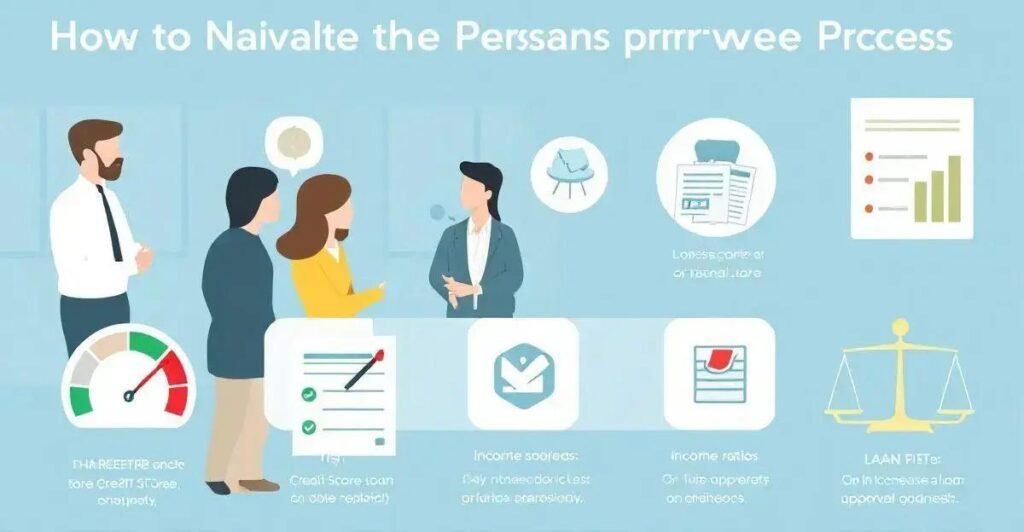
Are you struggling to get approved for a personal loan? Understanding the personal loan approval process can make all the difference.
The process involves a thorough evaluation of your creditworthiness, income, and debt-to-income ratio.
With the right knowledge, you can increase your chances of getting approved for the loan you need.
In this article, we’ll dive into the key factors that affect your personal loan approval process and provide valuable tips to help you improve your chances of getting approved.
Understanding the Personal Loan Approval Process
The personal loan approval process is a complex evaluation of an individual’s creditworthiness, income, and debt-to-income ratio. It’s a multi-step process that involves various stakeholders, including lenders, credit bureaus, and financial institutions. Understanding how the process works can help you navigate the application process and increase your chances of getting approved.
The process typically starts with a lender reviewing your credit report to assess your credit score and history. They may also request additional documentation, such as proof of income and employment, to verify your financial situation. Next, the lender will evaluate your debt-to-income ratio to determine how much of your income goes towards paying debts. Finally, the lender will review your income and expenses to determine your ability to repay the loan. A comprehensive understanding of the personal loan approval process can help you prepare and improve your chances of getting approved.
Factors That Affect Loan Approval
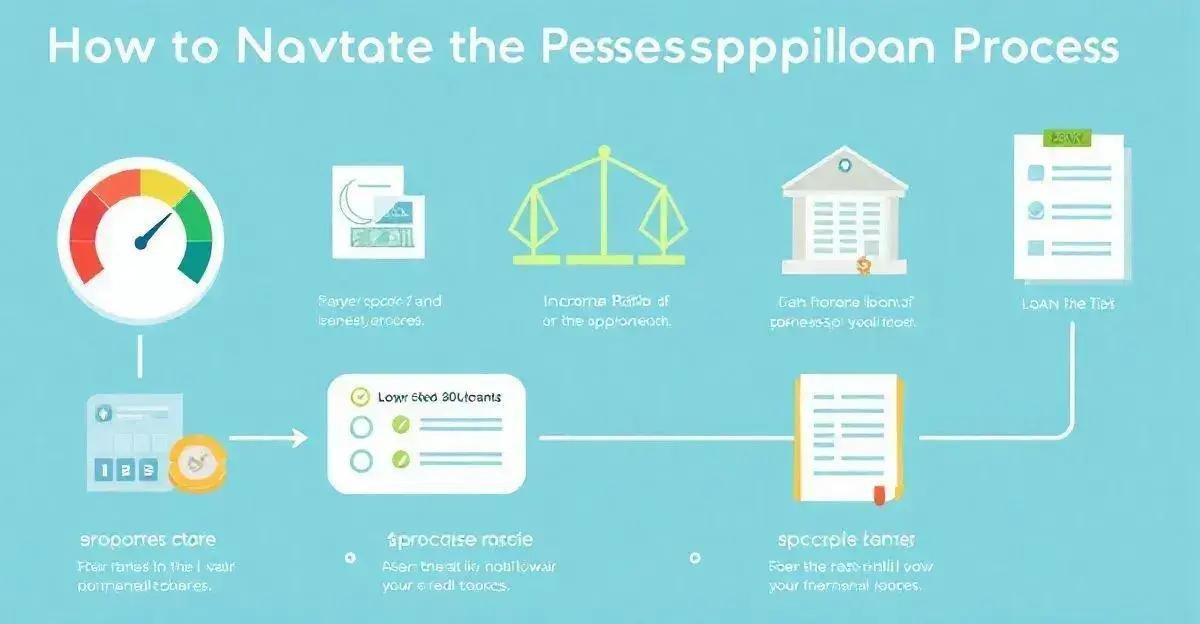
The personal loan approval process is influenced by several factors, including credit score, income, debt-to-income ratio, employment history, and credit history. A good credit score can significantly improve your chances of getting approved, as it demonstrates your ability to manage credit responsibly. Additionally, lenders may consider your income and employment history to determine your ability to repay the loan. A stable income and a low debt-to-income ratio can also improve your chances of getting approved.
Credit score plays a crucial role in the personal loan approval process. A good credit score can significantly improve your chances of getting approved, as it demonstrates your ability to manage credit responsibly. Credit scores range from 300 to 850, with higher scores indicating a better credit history. A credit score of 700 or higher is generally considered good, while a score below 600 may indicate credit issues.
Your income ratio is another critical factor in the personal loan approval process. Lenders typically look for borrowers with a stable income and a low debt-to-income ratio. The debt-to-income ratio is calculated by dividing your total monthly debt payments by your gross income. A debt-to-income ratio of 36% or less is generally considered good, while a ratio above 50% may indicate financial difficulties.
The loan approval process typically involves several steps, including application, verification, and approval. During the application process, you’ll need to provide personal and financial information, including your income, employment history, and credit score. Lenders may also request additional documentation, such as proof of income and employment, to verify your financial situation.
If you’re struggling to get approved for a personal loan, there are several tips you can follow to improve your chances of getting approved. First, make sure to check your credit report for errors and dispute any inaccuracies. Next, work on improving your credit score by paying your bills on time and keeping credit utilization below 30%. Also, try to reduce your debt-to-income ratio by paying off high-interest debts and avoiding new debt.
The final step in the loan approval process is the approval phase. If your application is approved, the lender will provide you with a loan offer, including the loan amount, interest rate, and repayment terms. You’ll then need to sign the loan agreement and receive the loan funds. Once the loan is disbursed, you’ll begin making monthly payments to repay the loan.
The Role of Credit Score in Loan Approval
A credit score plays a crucial role in the personal loan approval process. It is a three-digit number that represents your creditworthiness, based on your credit history. A good credit score can significantly improve your chances of getting approved for a personal loan, as it demonstrates your ability to manage credit responsibly.
Credit scores range from 300 to 850, with higher scores indicating a better credit history. A credit score of 700 or higher is generally considered good, while a score below 600 may indicate credit issues. Lenders use credit scores to assess the risk of lending to you.
If you have a low credit score, you may be approved for a loan at a higher interest rate or with stricter repayment terms. To improve your credit score, make sure to pay your bills on time, keep credit utilization below 30%, and monitor your credit report for errors.
Income Ratio and Loan Approval
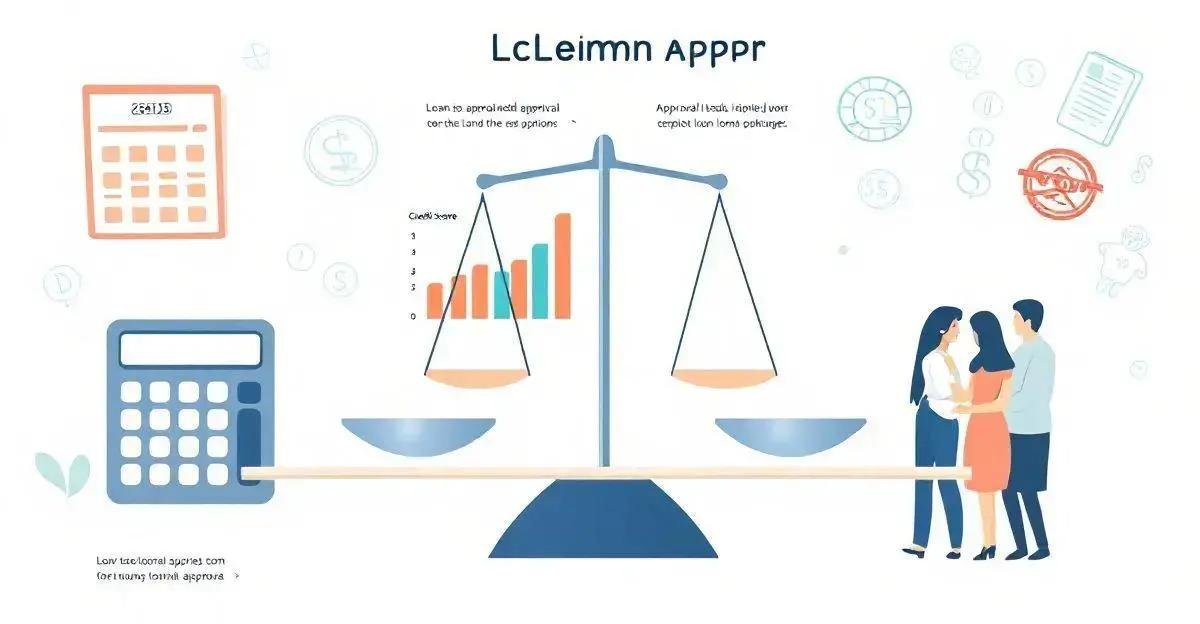
Your income ratio plays a significant role in the personal loan approval process. Lenders consider your income-to-debt ratio to determine your ability to repay the loan. A stable income and a low debt-to-income ratio can improve your chances of getting approved for a personal loan.
The debt-to-income ratio is calculated by dividing your total monthly debt payments by your gross income. A debt-to-income ratio of 36% or less is generally considered good, while a ratio above 50% may indicate financial difficulties.
To improve your chances of getting approved, make sure to keep your debt-to-income ratio low by paying off high-interest debts and avoiding new debt. Additionally, consider increasing your income by taking on a side job or negotiating a raise at your current job.
What to Expect During the Loan Approval Process
During the personal loan approval process, you can expect several steps to take place. First, you’ll need to submit an application, which will typically include providing personal and financial information.
Lenders will then review your application and verify your information through a credit check and review of your credit report. If your application is approved, the lender will provide you with a loan offer, which will include the loan amount, interest rate, and repayment terms.
Once you’ve accepted the loan offer, the lender will disburse the funds and you’ll begin making monthly payments. It’s essential to carefully review the loan agreement and understand the terms before signing.
Additionally, make sure to ask any questions you may have and seek clarification on any unclear terms.
Tips for Increasing Your Chances of Loan Approval
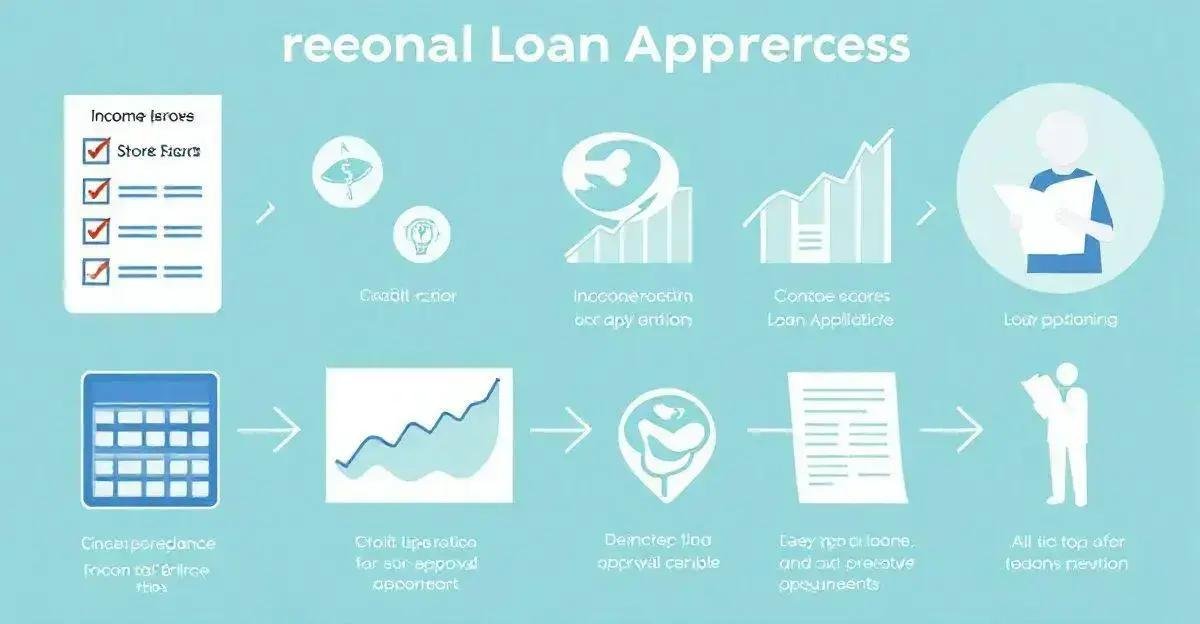
To increase your chances of getting approved for a personal loan, there are several tips you can follow. First, make sure to check your credit report for errors and dispute any inaccuracies.
Next, work on improving your credit score by paying your bills on time and keeping credit utilization below 30%. Additionally, try to reduce your debt-to-income ratio by paying off high-interest debts and avoiding new debt.
You can also consider increasing your income by taking on a side job or negotiating a raise at your current job. Furthermore, be prepared to provide detailed financial information, such as proof of income and employment, to support your loan application.
Finally, be patient and don’t be discouraged if you’re initially rejected. Many lenders offer multiple loan options, so it’s essential to shop around and compare rates and terms before making a decision.
Frequently Asked Questions about Artificial Intelligence in Small Businesses
How can automation of tasks benefit my small business?
Automation of tasks frees up your team from repetitive tasks, increasing productivity and allowing them to focus on more strategic tasks.
What tools can I use for data analysis?
There are many tools available, such as Google Analytics, Tableau, and Microsoft Power BI, that help collect and interpret valuable data.
What are chatbots and how do they improve customer service?
Chatbots are virtual assistants that can answer questions and resolve issues at any time, improving the customer experience and freeing up your team.
How can I personalize the customer experience?
Through data analysis, you can better understand customer preferences and offer personalized recommendations and promotions.
Why is customer feedback important?
Feedback is essential to identify areas that need improvement and adjust your strategy to ensure customer satisfaction.
Is artificial intelligence accessible to small businesses?
Yes, there are many AI solutions that are accessible and scalable for small businesses to improve efficiency and customer service.