

Are you looking to diversify your investment portfolio and generate passive income? Real estate investment trusts (REITs) have become a popular option for investors seeking to benefit from the real estate market without directly owning physical properties.
With their unique structure and tax benefits, REITs have the potential to provide steady returns and reduce risk.
In this article, we will explore the world of REITs, covering the types, benefits, and risks of investing in these trusts.
Whether you’re a seasoned investor or just starting out, this guide will help you understand the ins and outs of REITs and make informed decisions about your investments.
Types of Real estate investment trusts (REITs)
Real estate investment trusts (REITs) come in various forms, each with its unique characteristics and benefits. Equity REITs focus on owning and operating income-generating properties, while Mortgage REITs invest in and manage mortgage-backed securities. Hybrid REITs, on the other hand, combine elements of equity and mortgage REITs. Additionally, there are Specialty REITs, which focus on specific property types, such as healthcare facilities or timberlands. Understanding the different types of REITs is crucial to making informed investment decisions.
To invest in Real estate investment trusts (REITs), you can explore various options. You can purchase individual REIT shares through a brokerage account or invest in REIT ETFs or mutual funds. Another option is to invest in REITs through a real estate crowdfunding platform. It’s essential to conduct thorough research and due diligence before investing in any REIT, considering factors such as the company’s financial health, management team, and investment strategy. You should also set clear investment goals and risk tolerance to ensure a suitable REIT selection.
Real estate investment trusts (REITs) offer several benefits to investors. Firstly, they provide a way to invest in real estate without directly owning physical properties. This can be particularly appealing to those with limited financial resources or who want to diversify their portfolio. Secondly, REITs are required to distribute at least 90% of their taxable income to shareholders, providing a steady stream of income. Lastly, REITs are often less volatile than individual properties, as they are diversified across multiple properties and industries.
While Real estate investment trusts (REITs) offer several benefits, they also come with risks and challenges. One of the primary risks is market volatility, as REITs are sensitive to changes in interest rates and property values. Additionally, REITs may be subject to regulatory changes, which can impact their operations and profitability. Furthermore, REITs are only as strong as their underlying assets, so a decline in property values can have a significant impact on the REIT’s value. It’s essential to carefully evaluate these risks before investing in a REIT.
Real estate investment trusts (REITs) and direct property investment have their own set of advantages and disadvantages. REITs offer the benefits of diversification and scalability, while direct property investment allows for greater control and customization. However, direct property investment often requires a significant amount of capital and may be subject to market fluctuations. On the other hand, REITs are often less volatile and provide a steady stream of income. Ultimately, the choice between REITs and direct property investment depends on your individual investment goals and risk tolerance.
In conclusion, Real estate investment trusts (REITs) can be a valuable addition to a diversified investment portfolio. By understanding the different types of REITs, how to invest in them, and the benefits and risks involved, you can make informed investment decisions. Whether you’re a seasoned investor or just starting out, REITs offer a unique way to invest in real estate and potentially generate passive income.
How to Invest in Real estate investment trusts (REITs)
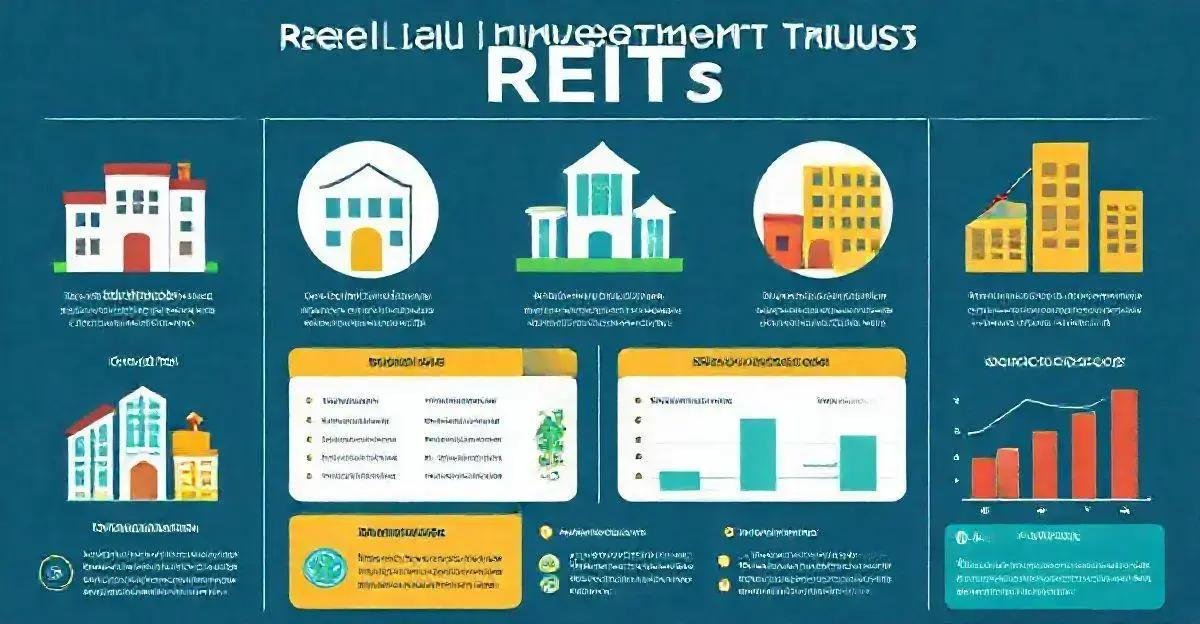
To invest in Real estate investment trusts (REITs), you can explore various options. You can purchase individual REIT shares through a brokerage account or invest in REIT ETFs or mutual funds. Another option is to invest in REITs through a real estate crowdfunding platform. It’s essential to conduct thorough research and due diligence before investing in any REIT, considering factors such as the company’s financial health, management team, and investment strategy. You should also set clear investment goals and risk tolerance to ensure a suitable REIT selection.
Real estate investment trusts (REITs) offer several benefits to investors. Firstly, they provide a way to invest in real estate without directly owning physical properties. This can be particularly appealing to those with limited financial resources or who want to diversify their portfolio. Secondly, REITs are required to distribute at least 90% of their taxable income to shareholders, providing a steady stream of income. Lastly, REITs are often less volatile than individual properties, as they are diversified across multiple properties and industries.
While Real estate investment trusts (REITs) offer several benefits, they also come with risks and challenges. One of the primary risks is market volatility, as REITs are sensitive to changes in interest rates and property values. Additionally, REITs may be subject to regulatory changes, which can impact their operations and profitability. Furthermore, REITs are only as strong as their underlying assets, so a decline in property values can have a significant impact on the REIT’s value. It’s essential to carefully evaluate these risks before investing in a REIT.
Real estate investment trusts (REITs) and direct property investment have their own set of advantages and disadvantages. REITs offer the benefits of diversification and scalability, while direct property investment allows for greater control and customization. However, direct property investment often requires a significant amount of capital and may be subject to market fluctuations. On the other hand, REITs are often less volatile and provide a steady stream of income. Ultimately, the choice between REITs and direct property investment depends on your individual investment goals and risk tolerance.
In this article, we’ve explored the world of Real estate investment trusts (REITs), covering the types, benefits, and risks involved. Whether you’re a seasoned investor or just starting out, REITs offer a unique way to invest in real estate and potentially generate passive income. By understanding the different types of REITs, how to invest in them, and the benefits and risks involved, you can make informed investment decisions.
Benefits of Real estate investment trusts (REITs)
Real estate investment trusts (REITs) offer several benefits to investors. Firstly, they provide a way to invest in real estate without directly owning physical properties. This can be particularly appealing to those with limited financial resources or who want to diversify their portfolio.
Secondly, REITs are required to distribute at least 90% of their taxable income to shareholders, providing a steady stream of income. Additionally, REITs often have a lower cost basis compared to direct property investment, as they are listed on a stock exchange and can be bought and sold easily.
Lastly, REITs are often less volatile than individual properties, as they are diversified across multiple properties and industries. This can provide a more stable investment option for investors.
Risks and Challenges of Real estate investment trusts (REITs)

Real estate investment trusts (REITs) come with risks and challenges that investors should be aware of. One of the primary risks is market volatility, as REITs are sensitive to changes in interest rates and property values.
Additionally, REITs may be subject to regulatory changes, which can impact their operations and profitability. Furthermore, REITs are only as strong as their underlying assets, so a decline in property values can have a significant impact on the REIT’s value.
It’s essential to carefully evaluate these risks before investing in a REIT. Investors should also be aware of the fees associated with REITs, as they can eat into the returns.
Lastly, REITs may be subject to market inefficiencies, which can lead to overvaluation or undervaluation. Therefore, it’s crucial to conduct thorough research and due diligence before investing in a REIT.
Real estate investment trusts (REITs) vs. Direct Property Investment
Real estate investment trusts (REITs) and direct property investment are two popular ways to invest in real estate. While both options have their own set of advantages and disadvantages, REITs offer the benefits of diversification and scalability, while direct property investment allows for greater control and customization.
REITs are ideal for investors who want to diversify their portfolio and reduce risk, as they provide a steady stream of income and are often less volatile than individual properties. On the other hand, direct property investment is suitable for investors who want to have control over the property and potentially generate higher returns.
Ultimately, the choice between REITs and direct property investment depends on the investor’s individual goals, risk tolerance, and financial situation.
Conclusion: Is Real estate investment trusts (REITs) Right for You?

In conclusion, Real estate investment trusts (REITs) can be a viable option for investors looking to diversify their portfolio and generate passive income.
While they come with their own set of risks and challenges, the benefits of REITs, such as diversification, scalability, and steady income, make them attractive to many investors.
Whether you’re a seasoned investor or just starting out, it’s essential to carefully evaluate the pros and cons of REITs and determine if they’re right for you.
Ultimately, the decision to invest in REITs depends on your individual goals, risk tolerance, and financial situation.
By understanding the basics of REITs and considering your own investment strategy, you can make an informed decision and potentially achieve your investment goals.
FAQ – Frequently Asked Questions about Real Estate Investment Trusts (REITs)
What are the benefits of investing in Real Estate Investment Trusts (REITs)?
REITs offer a way to invest in real estate without directly owning physical properties. They provide a steady stream of income, diversification, and scalability.
How do I get started with investing in REITs?
You can invest in REITs through a brokerage account, REIT ETFs, or real estate crowdfunding platforms. Conduct thorough research and due diligence before investing.
What are the risks associated with investing in REITs?
REITs come with risks such as market volatility, regulatory changes, and fees associated with investing. It’s essential to carefully evaluate these risks before investing.
How do REITs compare to direct property investment?
REITs offer diversification and scalability, while direct property investment provides control and customization. The choice between REITs and direct property investment depends on your individual goals and risk tolerance.
Is investing in REITs right for me?
Whether you’re a seasoned investor or just starting out, it’s essential to carefully evaluate your individual goals, risk tolerance, and financial situation before investing in REITs.
What are the tax implications of investing in REITs?
REITs are required to distribute at least 90% of their taxable income to shareholders, providing a steady stream of income. Consult with a tax professional to understand the specific tax implications of investing in REITs.